
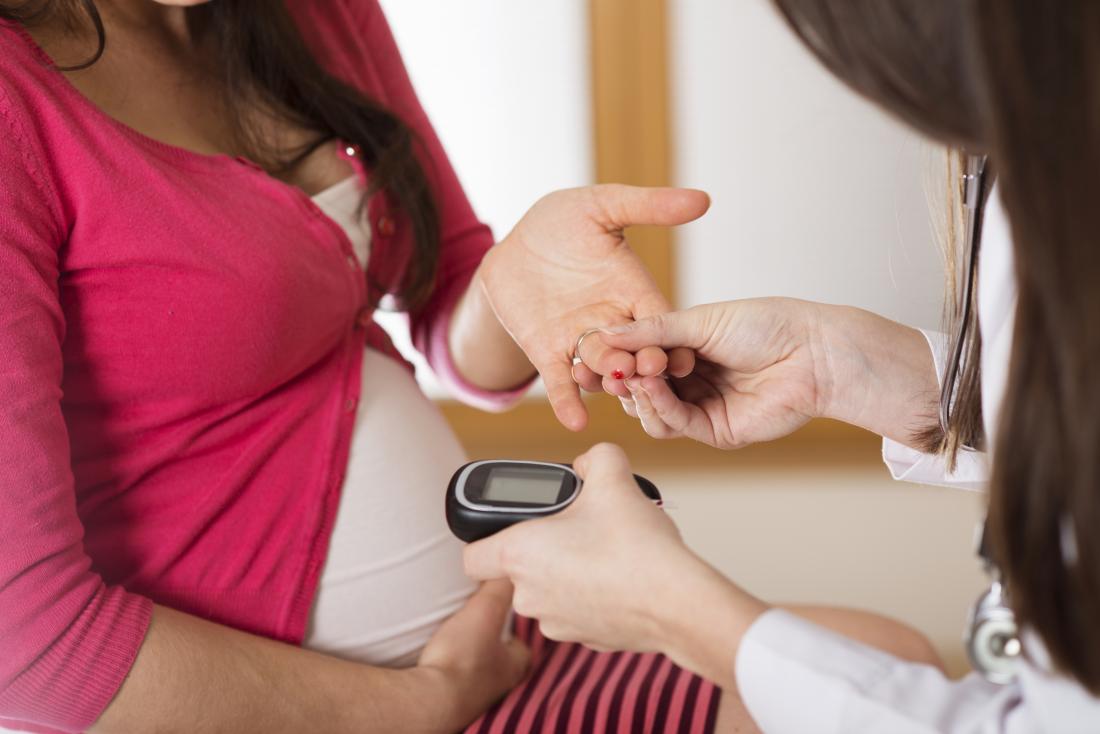
Diabetes is a chronic condition that affects how the body processes blood sugar. It is classified into Type 1, Type 2, and gestational diabetes. While it primarily impacts metabolism, diabetes also has significant effects on reproductive health. Many people are unaware that diabetes can lead to hormonal imbalances, infertility, and other complications that affect both men and women. This article explores the link between diabetes and reproductive health, highlighting its effects and management strategies.
How Diabetes Affects Hormonal Balance
Hormonal balance plays a crucial role in reproductive health. However, diabetes, particularly Type 2 diabetes, is often associated with insulin resistance, which can disrupt the endocrine system. Insulin is closely linked to reproductive hormones like estrogen, testosterone, and progesterone.
When insulin levels are not well-regulated, it can lead to conditions such as polycystic ovary syndrome (PCOS) in women, affecting ovulation and fertility. Consulting a top gynecologist can help manage these issues effectively. Similarly, men with diabetes may experience a drop in testosterone levels, leading to reduced libido and fertility issues.
Impact of Diabetes on Female Reproductive Health
Women with diabetes often face multiple reproductive health challenges, including:
- Irregular Menstrual Cycles: Poor blood sugar control can cause hormonal fluctuations, leading to irregular or missed periods.
- Infertility Issues: High glucose levels may impair ovarian function and make conception difficult.
- Pregnancy Complications: Diabetes increases the risk of gestational diabetes, miscarriage, preeclampsia, and birth defects. Poorly controlled diabetes can also lead to premature birth or complications during delivery.
- Infections: Women with diabetes are more prone to vaginal yeast infections and urinary tract infections due to high blood sugar levels that create an environment for bacterial growth.
Impact of Diabetes on Male Reproductive Health
Men with diabetes also experience reproductive health issues, such as:
- Erectile Dysfunction (ED): Diabetes can damage nerves and blood vessels, making it difficult to maintain an erection. Studies show that men with diabetes are three times more likely to develop ED compared to those without the condition.
- Low Testosterone Levels: Diabetes may lower testosterone production, leading to fatigue, reduced muscle mass, and decreased libido.
- Sperm Quality Issues: High blood sugar levels can affect sperm motility and count, reducing fertility potential.
- Ejaculatory Dysfunction: Nerve damage due to prolonged high blood sugar can result in retrograde ejaculation, where semen enters the bladder instead of exiting through the urethra.
Gestational Diabetes and Its Effects
Gestational diabetes develops during pregnancy and can pose risks to both mother and baby. Women who experience this condition have a higher chance of developing Type 2 diabetes later in life. Some potential complications include:
- Increased risk of delivering a larger-than-average baby (macrosomia), which can cause birth complications.
- Higher likelihood of preterm labor and cesarean delivery.
- Increased risk of stillbirth in severe cases.
- Long-term effects on the baby, including a higher risk of obesity and diabetes later in life.
Managing Diabetes for Better Reproductive Health
Proper diabetes management is essential for maintaining reproductive health. Here are some ways to achieve this:
- Blood Sugar Control: Regular monitoring and maintaining stable glucose levels help prevent complications.
- Healthy Diet: A well-balanced diet rich in fiber, lean proteins, and healthy fats supports hormonal balance and overall health.
- Exercise: Regular physical activity helps improve insulin sensitivity and supports reproductive functions.
- Medical Checkups: Consulting endocrinologists, gynecologists, or urologists for regular health screenings can help in early diagnosis and treatment.
- Medication Management: Some diabetes medications may affect fertility, so discussing options with a healthcare provider is essential.
When to Seek Medical Help
If you have diabetes and are experiencing fertility issues, irregular menstrual cycles, erectile dysfunction, or pregnancy complications, it is crucial to seek medical advice from a top gynecologist in Lahore. Early intervention can prevent severe complications and improve reproductive outcomes. Fertility treatments, hormone therapy, and lifestyle modifications may help in managing diabetes-related reproductive issues effectively.
Conclusion
Diabetes has far-reaching effects on reproductive health for both men and women. From hormonal imbalances to fertility challenges and pregnancy complications, it is crucial to manage diabetes effectively to maintain overall well-being. By adopting a healthy lifestyle, monitoring blood sugar levels, and seeking timely medical care, individuals with diabetes can safeguard their reproductive health and improve their chances of conception. Prioritizing diabetes management today can lead to a healthier future for both parents and potential children.